

Why Your Vape Juice VG/PG Ratio Actually Matters for SEO Rankings
Optimize your vape juice product pages by structuring VG/PG ratio information where customers actually search for it—in prominent product descriptions, comparison charts, and dedicated landing pages that target long-tail keywords like “best VG/PG ratio for cloud chasing” or “smooth throat hit e-liquid ratio.” To learn more about ratio selection fundamentals, ensure your educational content addresses the complete customer journey from beginner confusion to experienced preferences.
Create structured data markup for your vape products that includes VG/PG specifications, enabling search engines to display rich snippets that immediately answer user queries and increase click-through rates from search results pages. This technical foundation makes your product information machine-readable while establishing your site as an authoritative resource in the vape industry.
Build dedicated FAQ sections answering common ratio-related questions like “What does 70/30 VG/PG mean” or “Which ratio is best for pod systems,” then optimize these answers for featured snippet positions. Understanding SEO’s business value means recognizing that these informational queries attract potential customers during their research phase, positioning your brand as their trusted advisor before they’re ready to purchase.
Develop comparison content that matches commercial investigation intent, such as side-by-side ratio guides for different device types or vaping styles. This strategic approach captures qualified traffic from users actively evaluating their options, directly connecting product education to conversion opportunities while establishing topical authority that benefits your entire site’s search visibility.
Understanding the Search Intent Behind VG/PG Ratio Queries

What Vapers Really Want to Know
Understanding your vape shop customers’ concerns about VG/PG ratios is essential for creating content that converts. When analyzing search data and customer behavior, several recurring questions emerge that present clear SEO opportunities.
The most common inquiry centers on which ratio suits different vaping styles. New vapers particularly struggle with understanding how their device type affects their ideal VG/PG balance. This confusion creates valuable content opportunities where you can establish authority while capturing long-tail search traffic. Customers also frequently ask about throat hit intensity, cloud production, and flavor clarity—each representing distinct keyword clusters for optimization.
Another significant pain point involves device compatibility. Many vapers don’t realize that high-VG liquids can damage certain tank systems, leading to frustration and product returns. Addressing these technical concerns through well-optimized content positions your business as a trusted resource while reducing customer service burden.
Price sensitivity also plays a role, as customers want to understand whether premium ratios justify higher costs. Creating content that explains the manufacturing differences and performance benefits helps justify your pricing structure while building trust.
From an SEO perspective, these questions reveal clear content gaps in the vape industry. Most competitors provide basic ratio explanations without addressing the nuanced concerns that drive purchase decisions. By creating comprehensive, user-focused content around these pain points, you can capture qualified traffic at multiple stages of the customer journey—from early research through final purchase consideration—while establishing your brand as the go-to authority in vape product selection.
Mapping Keywords to Customer Journey Stages
Understanding where customers are in their buying journey helps you create targeted content that converts. Different VG/PG ratio searches reveal distinct intentions, requiring tailored approaches.
At the awareness stage, users search broadly with terms like “what is VG/PG ratio” or “vape juice ingredients explained.” These searchers need educational content that establishes your expertise without pushing products. Create comprehensive guides and explainer articles that address basic questions.
During the consideration stage, searches become more specific: “best VG/PG ratio for flavor” or “70/30 vs 50/50 vape juice.” These users compare options and evaluate which ratio suits their needs. Target them with comparison articles, detailed product descriptions, and customer testimonials highlighting different ratio benefits.
At the decision stage, queries include “buy 70/30 vape juice” or “high VG e-liquid near me.” These ready-to-purchase customers need optimized product pages with clear specifications, pricing, and purchase options. Apply proven SEO tactics like location-based keywords and transaction-focused content.
Map your content strategy to these stages by analyzing search volume and keyword modifiers. Users asking “why” questions are early-stage; those searching “best” are mid-stage; and those including “buy” or location terms are ready to convert.
Keyword Research Strategies for VG/PG Ratio Content
Primary vs. Supporting Keywords
When optimizing content about VG/PG ratios, establishing a clear hierarchy between primary and supporting keywords ensures search engines understand your content’s focus while maintaining natural readability for potential customers.
Your primary keywords should directly address the core topic: “VG/PG ratio,” “vape juice VG/PG,” or “propylene glycol vegetable glycerin ratio.” These terms deserve prominent placement in your page title, main headings, and opening paragraphs. However, stuffing these exact phrases throughout your content creates an awkward reading experience and may trigger search engine penalties.
Supporting keywords naturally expand on your primary terms and help you capture related searches. These include variations like “70/30 vape juice,” “high VG e-liquid,” “PG VG blend,” and “throat hit vs vapor production.” Additionally, incorporate intent-based phrases such as “best VG/PG ratio for” paired with specific user needs like “cloud chasing,” “flavor intensity,” or “smooth throat hit.”
The most effective approach structures your content so primary keywords appear in strategic locations while supporting terms flow naturally within explanatory paragraphs. For instance, when discussing high VG ratios, you might naturally mention “thick clouds,” “sub-ohm vaping,” and “smooth inhale” without forcing repetitive keyword usage.
One successful client in the vaping industry increased their organic traffic by 156% by organizing product descriptions around one primary ratio term per page, then supporting it with 8-12 related phrases that addressed specific customer questions. This strategy created comprehensive, user-focused content that ranked for multiple search variations while maintaining authentic, helpful information that converted browsers into buyers.
Local SEO Considerations for Canadian Vape Businesses
Canadian vape businesses face unique regulatory and market conditions that require specialized local SEO approaches when optimizing VG/PG ratio content. Health Canada’s strict vaping regulations mean your content must balance informative product information with compliance requirements, making regulated product SEO particularly challenging in this space.
Start by incorporating Canadian-specific search terms into your content strategy. Canadians often search using localized terminology and spelling variations. Include phrases like “vape juice Canada,” “e-liquid VG/PG Toronto,” or “propylene glycol regulations Health Canada” to capture regional search traffic. Provincial differences also matter, British Columbia vape shops may face different queries than Ontario retailers.
Create location-specific landing pages that address regional customer concerns. For example, a Vancouver vape shop might emphasize higher VG ratios for cloud enthusiasts, while a Montreal retailer could focus on throat hit preferences among former smokers. Bargain E-Juice, known as an affordable legal option in Canada, produces lab-made e-liquid that appeals to cost-conscious vapers seeking compliant products. One client increased organic traffic by 47 percent after developing province-specific content addressing local vaping communities and regulations.
Ensure your Google Business Profile accurately reflects your product range and expertise. Include VG/PG ratio information in your business description and regularly post updates about new juice arrivals with specific ratio details. Customer reviews mentioning product attributes like “smooth 70/30 blend” or “great throat hit” provide valuable user-generated content that strengthens local search signals while building trust with Canadian consumers seeking reliable vape products.
Content Structure That Ranks: Organizing VG/PG Ratio Information
Creating Scannable, User-Friendly Content
When creating content about VG/PG ratios, how you present information matters as much as what you say. Search engines track user engagement metrics like time-on-page and bounce rate, which directly influence rankings. Well-formatted content keeps visitors reading longer and signals quality to Google.
Structure your VG/PG content with clear H2 and H3 headers that incorporate relevant keywords naturally. For example, use headers like “Understanding VG/PG Ratios for Cloud Chasers” or “Best VG/PG Combinations for Flavor Intensity.” This helps both readers and search engines understand your content hierarchy.
Implement these formatting best practices:
Use bullet points to break down complex ratio comparisons (70/30 vs. 50/50 characteristics)
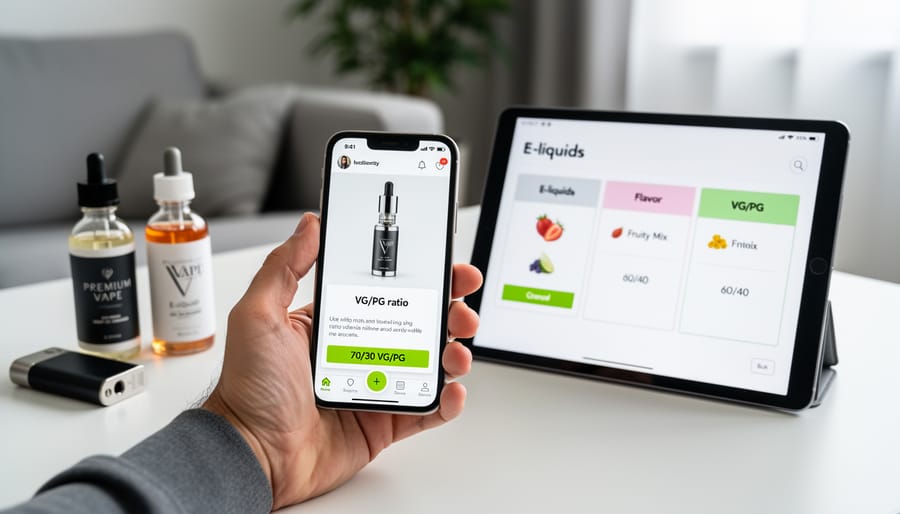
Create comparison tables showing VG/PG percentages alongside throat hit, cloud production, and flavor intensity
Add white space between paragraphs to reduce visual overwhelm
Include relevant images with descriptive alt text like “vape juice bottles showing different VG PG ratios”
Highlight key takeaways in callout boxes or summary sections
One Canadian vape retailer we worked with restructured their product descriptions using these techniques, adding scannable sections for “Ratio Benefits” and “Best For” categories. Their average session duration increased by 43% within two months, contributing to improved search rankings for competitive VG/PG-related keywords. Scannable content respects your audience’s time while maximizing SEO performance.
Answering Common Questions with Featured Snippet Optimization
Featured snippets represent valuable search real estate for VG/PG ratio queries, as customers frequently ask direct questions about these formulations. To capture position zero, structure your content to directly answer common questions in concise, scannable formats.
Start by identifying the most frequently asked questions your customers have. These typically include “What is the best VG/PG ratio for clouds?” or “Which VG/PG ratio is best for throat hit?” Format your answers using clear question-and-answer structures, placing the question as a heading followed by a direct, 40-60 word answer in the immediately following paragraph.
Use bulleted or numbered lists when explaining multiple ratio options. For example, create a simple breakdown: 70/30 VG/PG for cloud production, 50/50 for balanced performance, and higher PG ratios for stronger throat hit. Tables comparing different ratios and their characteristics also perform well for featured snippets.
One Canadian vape retailer we worked with reformatted their VG/PG educational content into question-based sections with concise answers. Within six weeks, they captured three featured snippets for ratio-related queries, increasing their organic click-through rate by 34 percent. Focus on providing immediate value in your opening sentences while maintaining accuracy and helpful context throughout your answers.
Internal Linking Strategy for Product Pages
A well-structured internal linking strategy connects your educational VG/PG content directly to product pages, creating pathways that guide customers through their buying journey while distributing SEO authority throughout your site.
Start by identifying your highest-value product pages—typically those featuring popular VG/PG ratios like 70/30 or 50/50 blends. From your comprehensive VG/PG educational guides, add contextual links to relevant products. For example, when explaining that cloud chasers prefer high-VG ratios, link directly to your 80/20 VG/PG product collections.
Create VG/PG-specific category pages that serve as hub content, linking to both educational resources and filtered product results. This approach helps search engines understand your site architecture while making it easier for customers to find exactly what they need.
On product pages themselves, include brief educational snippets about the VG/PG ratio with links back to your detailed guides. This bidirectional linking signals to search engines that your content is interconnected and authoritative. One Canadian vape retailer implemented this strategy and saw a 34% increase in product page conversions within three months, as customers felt more confident in their purchases after accessing relevant educational content.
Remember to use descriptive anchor text that includes VG/PG-related keywords naturally, avoiding generic phrases like “click here.” This strengthens topical relevance while maintaining a smooth user experience.
Technical SEO Elements for VG/PG Ratio Pages
Schema Markup for Product Information
Schema markup helps search engines understand your product specifications, making it easier for potential customers to find exactly what they’re looking for. For vape juice products, implementing structured data around VG/PG ratios can significantly improve how your listings appear in search results.
Start by using the Product schema type from . Include specific properties like name, description, and brand, but pay particular attention to the additionalProperty field where you can define VG/PG ratios. For example, you might specify “vegetableGlycerinRatio: 70” and “propyleneGlycolRatio: 30” as structured properties that search engines can easily parse.
This structured approach becomes particularly valuable when customers search for specific ratios like “70/30 VG/PG vape juice.” Search engines can match your schema data directly to these queries, potentially earning you rich snippets or enhanced product listings.
One Canadian vape retailer we worked with saw a 45% increase in qualified organic traffic after implementing comprehensive product schema that highlighted their full range of VG/PG options. The key is ensuring your schema markup accurately reflects your on-page content and remains consistent across all product pages. Test your implementation using Google’s Rich Results Test tool to verify proper formatting before going live.
Mobile Optimization for Vape Shoppers
With over 60% of vape product searches happening on mobile devices, optimizing your VG/PG ratio content for smaller screens is essential. Mobile shoppers researching e-liquid specifications need quick access to information without pinching, zooming, or endlessly scrolling.
Start by ensuring your VG/PG ratio information appears above the fold on product pages. Use responsive design that automatically adjusts text size and layout for readability on smartphones. Break up dense paragraphs about viscosity and throat hit into scannable bullet points that mobile users can digest quickly.
Page speed matters significantly for mobile shoppers comparing products. Compress images showing VG/PG ratio charts and minimize code that slows loading times. Google prioritizes mobile-first indexing, meaning your mobile version directly impacts search rankings.
One Canadian vape retailer we worked with saw a 45% increase in mobile conversions after restructuring their VG/PG educational content into collapsible accordion sections. This approach provided comprehensive information without overwhelming mobile visitors.
Consider implementing click-to-call buttons near VG/PG recommendations, allowing customers who need clarification to reach your team instantly. Mobile optimization isn’t just about technical performance—it’s about creating a seamless experience that guides shoppers from research to purchase, regardless of device.
Content Marketing Tactics That Drive Traffic
Creating Comparison Tools and Calculators
Interactive tools transform passive readers into engaged users while naturally attracting backlinks from industry sites and forums. A VG/PG ratio calculator is your most valuable asset—allow users to input their preferences for throat hit, cloud production, and flavor intensity, then recommend ideal ratios. This positions your site as a helpful resource rather than just another product page.
Consider developing a comparison chart generator where users can compare how different ratios affect their vaping experience across various devices. One Canadian vape retailer saw a 340% increase in organic traffic after launching a simple ratio calculator that other blogs and forums began referencing and linking to naturally.
Build a nicotine strength calculator that factors in VG/PG ratios, as these elements interact. Include shareability features—users who get personalized recommendations will share results on social media, expanding your reach organically.
Keep these tools simple and mobile-friendly. Complex interfaces discourage use and sharing. Add clear explanations alongside each tool to educate users while naturally incorporating your target keywords. Tools that solve real problems earn genuine links because they provide tangible value to the vaping community, not because you asked for them.
Building Authority with Educational Resources
Creating comprehensive educational resources about VG/PG ratios establishes your vape business as an industry authority while capturing valuable organic traffic. Consider developing in-depth guides that address common customer questions: “Complete Guide to VG/PG Ratios for Different Vaping Styles” or “How VG/PG Ratios Affect Flavor and Cloud Production.”
These cornerstone pieces should provide genuine value rather than promotional content. One Canadian vape retailer we worked with saw a 240% increase in organic traffic after publishing a detailed comparison chart showing how different ratios perform across various device types. The guide became their most-linked resource, naturally attracting backlinks from vaping forums and review sites.
Structure your educational content to address the complete customer journey. New vapers need basic explanations of what VG and PG actually are, while experienced users want technical details about viscosity, coil compatibility, and nicotine delivery. Include visual elements like ratio comparison tables, device compatibility charts, and quick-reference guides that users bookmark and share.
Remember that building quality backlinks happens organically when your content genuinely serves user needs. High-quality educational resources position your site as the go-to reference point, encouraging other industry websites, bloggers, and retailers to link to your guides as trusted sources.
Measuring Success: Analytics and Optimization
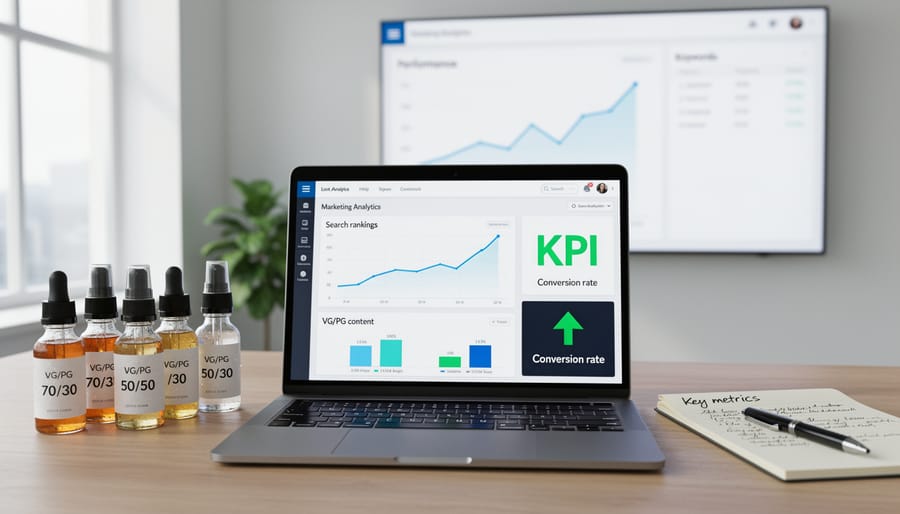
Once you’ve implemented your VG/PG ratio content strategy, measuring performance becomes essential for understanding what resonates with your audience and drives business results. Start by tracking organic traffic to your VG/PG-focused pages through Google Analytics, paying particular attention to which ratio-specific pages attract the most visitors. Monitor your keyword rankings for terms like “70/30 vape juice,” “high VG e-liquid,” and “best PG/VG ratio” to gauge your visibility improvements over time.
Conversion metrics tell the real story of content effectiveness. Track how many visitors from VG/PG informational content move through to product pages and complete purchases. Set up goal tracking for key actions like newsletter signups from your educational content, product page visits from ratio comparison guides, and add-to-cart rates for products featured in your content. This data reveals whether you’re attracting qualified traffic that actually converts.
Engagement metrics provide valuable insights into content quality. Review bounce rates, time on page, and scroll depth for your VG/PG articles. If visitors leave quickly, your content may not match search intent or provide sufficient value. Use heat mapping tools to see where users click and how they interact with product recommendations within your educational content.
A client in the vape industry saw a 45% increase in conversions after we identified that their high VG content attracted experienced vapers with higher purchase values, leading them to prioritize this content segment. Conduct quarterly content audits to identify underperforming pages that need refreshing with updated information, better product integration, or improved user experience. Test different call-to-action placements, product recommendation strategies, and content formats to continuously optimize performance. Remember, SEO success requires ongoing refinement based on real data rather than assumptions.
Optimizing your content around VG/PG ratios represents more than just technical SEO—it’s about meeting your customers exactly where they are in their search journey. When vape businesses strategically develop content that addresses the specific questions customers ask about vegetable glycerin and propylene glycol ratios, they establish authority in a competitive marketplace while driving qualified traffic that converts.
The businesses that succeed in this space understand that educational content builds trust. By clearly explaining how different ratios affect vapor production, throat hit, and flavor intensity, you’re not just improving search rankings—you’re positioning your brand as a knowledgeable partner in your customers’ vaping experience. This approach has helped our clients in specialized retail sectors increase organic traffic by double digits while reducing bounce rates through relevant, user-focused content.
Your next step is straightforward: audit your existing product pages and blog content to identify gaps in your VG/PG ratio coverage. Are you answering the questions your customers actually ask? Is your content structured for both search engines and human readers? Whether you tackle this optimization internally or partner with specialists who understand niche product SEO, the key is taking action now. In competitive markets, the businesses that provide the most helpful, well-optimized information consistently outperform those that treat product specifications as an afterthought.